

Google Cloud Landing Zone
Sep 25, 2024
Migrating to the cloud presents both opportunities and challenges. The 1st step to unlocking the full potential of Google Cloud Platform is to have a ‘Landing Zone’.
Google Cloud Landing Zone offers a powerful solution to ensure a secure and well-governed foundation for your cloud journey. Enter the Google Cloud Landing Zone, a foundational framework designed to accelerate and optimize the adoption of GCP while ensuring security and operational efficiency.
What is a Google Cloud Landing Zone?
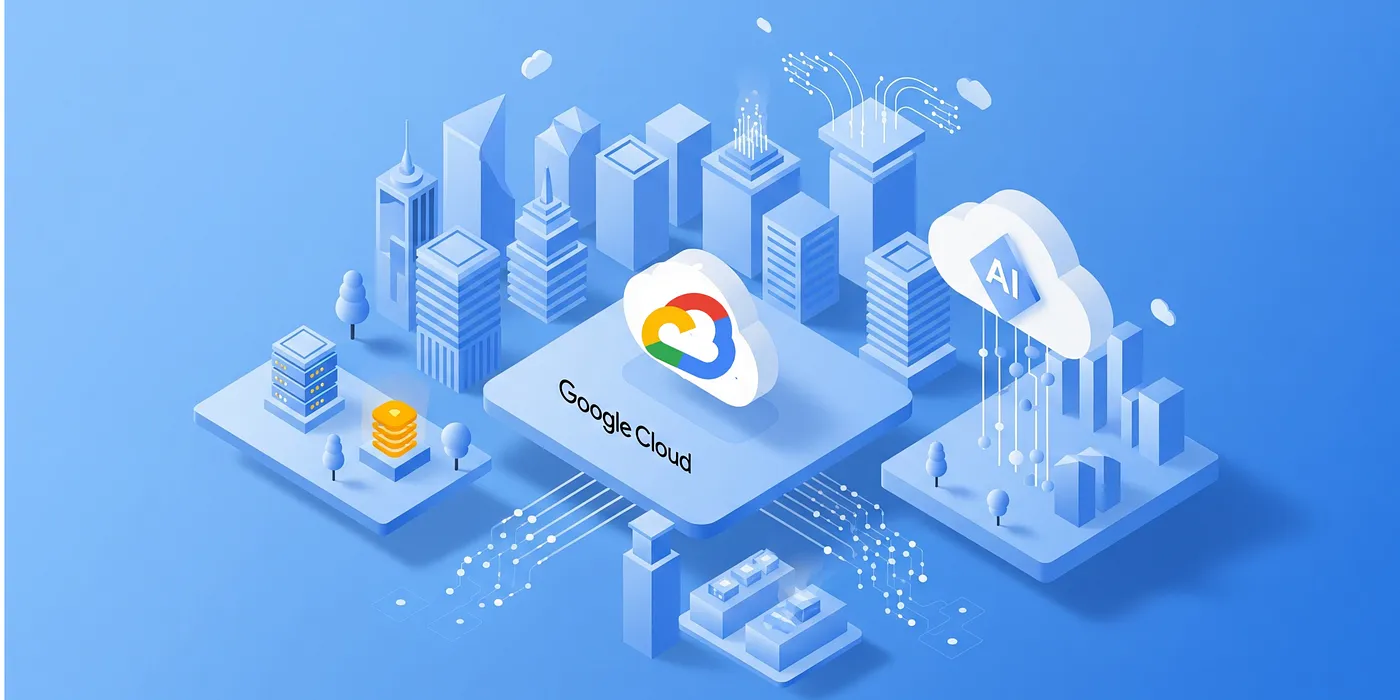
Imagine a pre-configured, secure, and modular environment in Google Cloud Platform (GCP). That’s essentially what a landing zone is. At its core, the Google Cloud Landing Zone serves as the cornerstone of an organization’s cloud environment, providing a standardized, secure, and scalable foundation for deploying workloads, applications, and services on GCP.
Landing Zone Components:
Resource Hierarchy: Organizing resources into a logical hierarchy streamlines management and governance, enabling administrators to enforce policies, track costs, and optimize resource utilization effectively.
Identity and Access Management (IAM): IAM policies define who has access to which resources within the Google Cloud environment, ensuring proper authentication and authorization mechanisms are in place.
Networking: Establishing a well-architected network infrastructure is essential for connectivity, security, and performance. Components such as Virtual Private Cloud (VPC), subnetworks, and firewall rules are configured to meet specific workload requirements.
Security and Compliance: Implementing robust security measures and compliance standards is paramount to safeguarding data and mitigating risks. This includes encryption, data loss prevention (DLP), identity verification, and compliance frameworks tailored to industry regulations.
Operations and Monitoring: Proactive monitoring, logging, and alerting mechanisms provide real-time visibility into the performance, availability, and security posture of the cloud environment, facilitating timely remediation of issues.
Best practices for designing and deploying a landing zone
Start with a Well-Defined Strategy: Clearly define your objectives, requirements, and success criteria before embarking on your cloud journey. This will guide the design and implementation of your Google Cloud Landing Zone.
Embrace Automation and Orchestration: Leverage infrastructure-as-code (IaC) tools such as Terraform or Deployment Manager to automate the provisioning and configuration of cloud resources, ensuring consistency and repeatability.
Implement a DevSecOps Culture: Integrate security practices into every stage of the development and deployment lifecycle, fostering a culture of collaboration between development, operations, and security teams.
Continuously Monitor and Optimize: Regularly assess the performance, cost, and security posture of your Google Cloud Landing Zone, leveraging monitoring and optimization tools to identify areas for improvement and efficiency gains.
Why Enhub.ai?
Building a landing zone before deploying your first enterprise workload on Google Cloud is essential for Secure Foundation & Cost Optimisation!
Get a FREE Consultation on your 1st GCP Landing Zone
Leverage the Google Cloud Architects from Enhub.ai, a Google Cloud Partner specialised in Cloud Infrastructure, Data & AI Services.